


Adult Learning: Challenges and Solutions!

Adult education is a process with far-reaching benefits for both organizations and society. In a world of constant change, it helps people adapt, embrace new challenges and continue growing.
Although many organizations invest in the lifelong learning of their people, actual participation remains relatively low. In many cases, training also fails to deliver meaningful results or lead to lasting development.
What you will find in this article:
-
- Statistics on adult participation in learning and training
- The main reasons why adult learning initiatives fail
- The Trainer’s role in creating meaningful learning experiences
What the data tells us
How actively do adults participate in learning opportunities? According to the latest available data (2024), the picture is revealing:
- Across the European Union, only 13.5% of adults participate in education or training within a given year.
- Fewer than 1 in 6 unemployed adults participate in training programmes, despite the growing need for reskilling.
- Around 76% of adults who do not participate in learning state that they do not perceive an immediate need for education.
- In Greece, adult participation in learning stands at approximately 4.4%, significantly below the European average.
These findings suggest that adult education often fails to reach those who need it most, while a lack of motivation and awareness further limits participation.
Challenges in Adult Training
Time
Adults have limited time available. While this has always been true, today’s increasingly demanding pace of life leaves many people feeling overwhelmed, stressed, and constantly short of time.
As a result, even the most thoughtfully designed training programmes may feel like an additional burden rather than an opportunity. As Barbara Fredrickson, explains through her Broaden-and-Build Theory, our minds become more open to learning when we experience psychological safety and positive emotions – not when we are constantly under pressure. What can we do? Design learning experiences that respect today’s realities. According to CEDEFOP (European Centre for the Development of Vocational Training) (European Centre for the Development of Vocational Training), flexibility in both scheduling and delivery significantly increases participation.
Simple ways to introduce flexibility include:
- combining asynchronous learning with live sessions
- designing modular programmes with shorter learning sessions
Motivation
When training is disconnected from learners’ professional reality, it struggles to generate genuine engagement. If new knowledge or skills cannot be applied immediately, motivation declines. What can we do? One of the most influential adult learning theorists, Malcolm Knowles, demonstrated that adults learn best when learning is directly connected to their real-life needs and experiences.
Practical ways to leverage experiential learning include:
- involving participants in shaping the learning agenda
- designing customized exercises and case studies relevant to their work
Learning Methods
Traditional lecture-based delivery with little interaction, together with learning tools that fail to address adult learners’ needs, reduces engagement and limits participation. What can we do? According to Jack Mezirow, adult learning becomes truly meaningful when educational methods encourage active participation, reflection on experience, and practical application, transforming knowledge into competence rather than mere information.
Small changes that make a significant difference include:
- designing programmes around learning outcomes, competencies, and desired behaviours—not just knowledge acquisition
- using a variety of instructional techniques that accommodate different learning preferences
How Trainers Should Approach Adult Learning
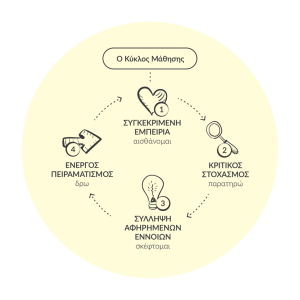
A Trainer’s role extends far beyond delivering information. The real challenge is creating the conditions that allow knowledge to become meaningful, valuable, and sustainable.
This aligns closely with David Kolb’s Experiential Learning Cycle, in which learning evolves through a continuous process of experience, reflection, conceptualization, and application.
A few important truths:
- Adults may bring previous negative—even traumatic—learning experiences with them. As a result, they may approach training with anxiety, fear of failure, or doubts about its value.
- Learning must be closely connected to the team’s goals. This requires Trainers to conduct thorough needs analysis before designing any programme.
- Every learning intervention should begin with one key question: “What value will this training create for the participants?”
- Learning cannot remain a passive activity. It requires interaction, dialogue, shared experiences, and practical application. Participants should always remain at the centre of the learning experience.
- Finally, selecting appropriate learning methods and adapting communication to the audience are essential ingredients of effective adult education.
Closing
Adults’ hesitation to participate in learning is not accidental.
However, with the right strategy and a deep understanding of adult learners’ needs, training can become a powerful catalyst for growth and development.
Ultimately, the success of learning is not measured by the number of hours spent in the classroom, but by the meaningful changes it creates.
Key Takeaways
Adult education often fails to reach those who need it most, highlighting the importance of ensuring equal access to learning opportunities.
Effective training programs are closely aligned with participants’ real needs, experiences and professional context.
Choosing appropriate learning methods is essential for transforming knowledge into practical skills and meaningful behavioural change.
At Game Tree, we offer learning experiences beyond the ordinary.
We design and implement customized training programs for corporate executives, leveraging experiential learning and educational gaming.
You can find more information about our services here.